


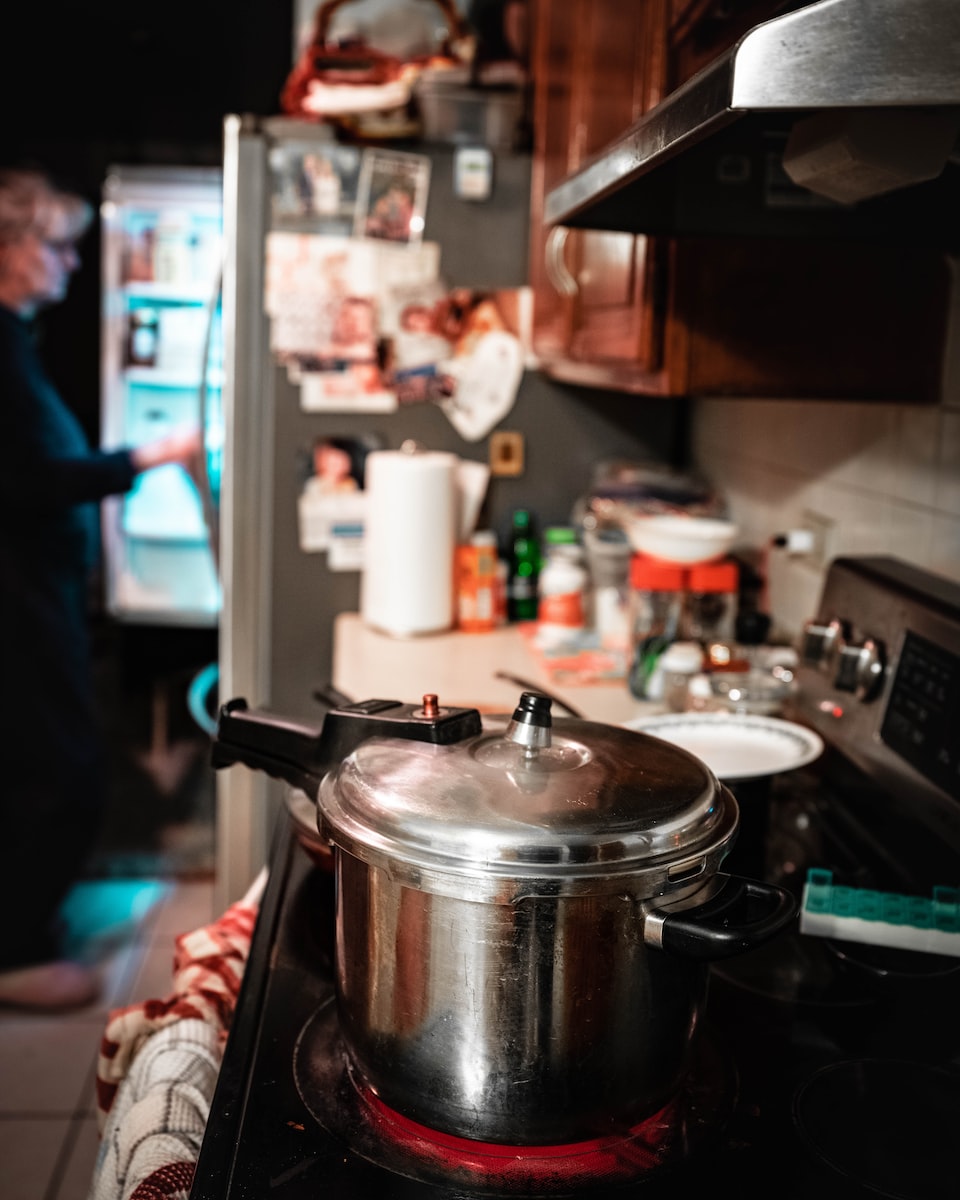
A pressure cooker is a very practical cooking tool that has been used for many years all over the world. It generates steam pressure inside a sealed kettle to cook food. Pressure cooking drastically decreases cooking time and has became more convenient over time thanks to advancements in the method’s fundamental construction.
Pressure Cooker Types
Four categories can be used to categorize pressure cookers:
initial generation
This earliest type of pressure cookware functions by accumulating and locking steam inside a metal pot composed of aluminum or stainless steel. A weight-changed valve on the lid releases the steam with a whistling sound. The pot needs to be opened before any steam may escape.
Generation two:
This type of pressure cooker is the most common and is likewise constructed of metal, typically stainless steel. In comparison to the original generation, it has a few more benefits, including enhanced safety due to the ability to manage steam pressure using a spring valve rather than a weight-bearing valve, and no noise.
Fourth generation:
These are instant pots, crockpots, and other well-known electric pressure cookers. In most cases, these have a metal housing with a ceramic or metal alloy inlay. Additionally, they have microchips that operate with pre-programmed settings to create simple processes for various types of cooking, and they use spring-loaded valves to control pressure.
Time-less:
The most unusual pressure cooker is this one. This is manufactured from pure and main clay, an all-natural substance that is 100% non-toxic, healthful, and environmentally beneficial, unlike the others. Here are several characteristics that set this cookware apart:
Ceramic cookware, which is composed of metal oxides, glazes, and a little quantity of clay, leaches both toxins and chemicals into the food, as opposed to metal and ceramic pots and pans. Because fired pure clay is completely non-reactive, pots and pans created with this pure and natural material do not have this problem.
When heated at a low to medium setting, pure clay pot walls emit far-infrared heat that cooks food fully and evenly. The nutrients in food are cooked with little to no damage since this heat is mild on the cells that contain the nutrients.
It’s not necessary to seal the steam inside the pot with force and then release it before opening it. Pure clay pressure cookers only allow steam to build up when the food is almost finished cooking, which is a wonderfully intriguing aspect of how steam is retained inside. The inner side of the lid is a few degrees colder when moisture eventually turns to steam. The steam is sent back into the meal at this cooler location where it condenses.
What exactly is steam? Nutrients soluble in water = steam. Nine of the 13 vitamins and minerals that are necessary are water soluble. Additionally, steam is lost in the kitchen in all but the last type of pressure cooker, making the pressure cookware more analogous to a humidifier.
These traditional cooking pots are the healthiest pressure cookers on the market since they can cook food without polluting it and while preserving all of its nutrients.
Pure clay pressure cookers prepare food in a similar amount of time to conventional cookers.