


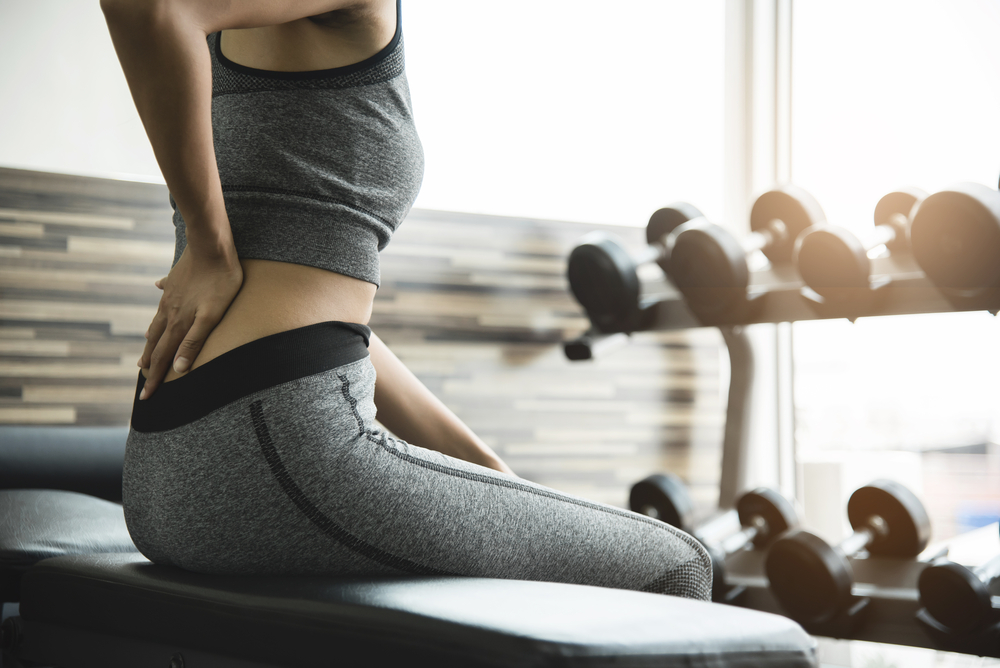
An injury might put a stop to your workout routine while you’re enjoying it and are close to reaching all of your fitness objectives. While getting hurt during a workout might be quite upsetting, it’s crucial to listen to your body and let the injury heal rather than pushing through to prevent further harm and discomfort.
Take a look at some typical workout injuries, how to prevent them, and advice on how to heal from an injury.
shoulder sprains
shoulder injuries when exercising
One of the most frequent injuries suffered by sportsmen or fitness enthusiasts is a shoulder injury. The rotator cuff stabilizes and maintains the shoulder joint, however with time and repetitive action, it is possible to develop rotator cuff strain.
What sensation do you have?
When executing specific motions, such as reaching above or sleeping on that side, rotator cuff pain can range from a dull, aching feeling to a severe ache in the shoulder.
Prevention:
Use appropriate form when exercising, especially when lifting weights above your head, as overhead motions like military presses can increase the risk of damage to your rotator cuff (especially when increasing load too quickly). Before increasing the load, fine-tune your form with less weights.
Avoid putting too much weight on recurrent overhead movements to prevent rotator cuff injury. Allow yourself enough time to condition to the load you intend to use. Maintaining proper posture might also help you avoid shoulder pain. Make sure your rotator cuff muscles are in good shape by include shoulder strengthening exercises in your routine.
Knuckle injuries
shoulder injuries when exercising
An overuse injury is frequently the cause of knee pain. Patellofemoral syndrome, also known as “runner’s knee,” may be the cause of any discomfort or soreness you feel around the knee.
What sensation do you have?
You might also experience grating or cracking noises emanating from the knee in addition to pain around the kneecap. Activity generally makes it worse.
Prevention:
Strengthen all the leg muscles that surround the knee, such as the quads, hamstrings, and hips. Muscle imbalance can cause knee injuries. Another crucial part is the ankle.
When conducting weight lifting activities, pay attention to maintaining the proper alignment of the knees. Poor form can result in knee injury, particularly when it comes to workouts with extra weight. Be cautious to maintain proper alignment, refrain from using too heavy weights, and limit the number of repetitions.
People who routinely run on uphill routes are more likely to develop runner’s knee, so until you get stronger or your control and alignment improve, switch to a flatter route.
Injury to the lower back
lower back injuries when exercising
Muscle strain and tension building up around the spine can cause low back discomfort when exercising.
What sensation do you have?
A quick twinge, a dull aching, or a dragging sensation in your back could indicate a lower back injury or strain.
Prevention:
Lower back injuries frequently develop from lifting weights that are excessively heavy or from muscle soreness after exceeding your weight limit. Make careful to gradually increase the weight and maintain proper technique when performing deadlifts and squats, which are frequently the cause of lower back discomfort. Get an expert eye to review your form if you’re unsure about it. Furthermore, repeatedly twisting or bending laterally might strain your back, especially if additional weight is involved. When you lift, you should keep your spine neutral, which doesn’t always entail being “as straight and upright as you can be.”
In order to protect your back when working out, concentrate on strengthening your hips and waist.
Shaky Legs
Shin splits during exercising
The condition known as “shin splints” or medial tibial stress syndrome (MTSS) is more prevalent in athletes that jump and run frequently, such as runners.
What sensation do you have?
Along the shinbone there is pain, especially during or after a run or activity. In the lower thigh, you might feel some discomfort and some swelling.
Prevention:
It’s best to gradually increase the frequency and length of your workouts because you’re more likely to develop shin splints if you recently increased the intensity of your training.
Always wear appropriate footwear that is in good shape. Running on worn-out shoes puts your body under extraordinary stress, similar to driving on bad tires. Consider changing your route to a more forgiving surface, such as grass, as running on hills or hard surfaces like concrete can aggravate shin splints. To prepare your legs and prevent damage, you should always perform a thorough warm-up before your training session.
Syndrome of the iliotibial band
exercise-related damage to the ilotibial band
From the knee to the hip, the IT band of ligaments runs down the outside of the leg. Iliotibial band syndrome is brought on by an inflammation of these ligaments.
What sensation do you have?
You can feel pain close to your hip or on the outside of your knee. The pain may only be experienced during exercising and frequently manifests as an aching or burning sensation.
Prevention:
The prevalence of iliotibial band syndrome is higher in those who routinely exercise or cycle. Make careful to increase the length and intensity of your workouts gradually.
Run on smooth surfaces as much as possible, and wear appropriate, well-maintained footwear at all times. Cycling enthusiasts should make sure their bike seat is in the ideal position (not too high or low) to promote healthy hip and leg alignment while pedaling.
Sports Physiotherapy to Recover from Injuries
Physiotherapy for sports injuries
Even though utilizing proper form, paying attention to your body, and strengthening all of your muscles (rather than just a few select ones) might help prevent some injuries, accidents can happen. When an injury occurs, it can be quite irritating, but it’s crucial to take it easy and give yourself time to recuperate.
By treating the injury, enhancing your flexibility, strengthening your muscles and joints, and offering advise on how to prevent future injuries, sports physio will be able to assist you on your road to recovery.