


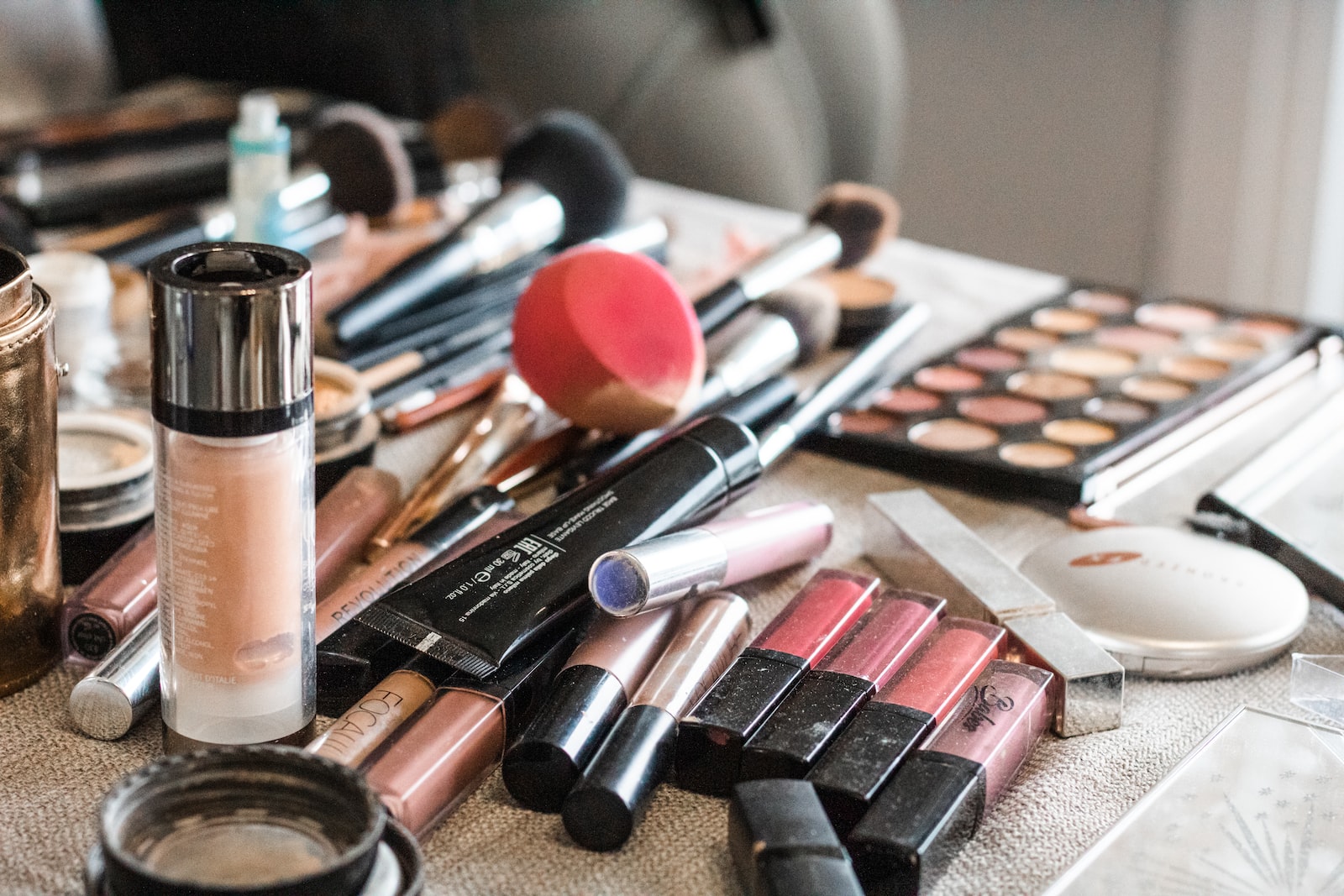
A little paler than you’d like on the skin? Would you like to change things up and give your skin some sun-kissed radiance? You may find what you need in an excellent tanning routine. If you want to create a warm look that gives your skin that summertime shine (even in the foggy UK), read our simple guide to attaining the best results, whether it’s for a night out or a trip to the store.
First, make sure your skin is clean and in good condition before applying any cosmetics. There is more to this than just what you put on it. Of course you should use a good cleanser and keep your skin moisturized, but you should also attempt to eat the correct foods to keep your skin hydrated and healthy. Make your skin as good as it can naturally be before applying makeup for the finest results.
To help guarantee that your makeup looks the way you want it all day, we advise using a primer before applying the bronzer. You should also, of course, apply a foundation and concealer.
Next, pick the ideal bronzer for your skin tone and for you. Never use bronzers too heavily. If one is very enthusiastic, it can be extremely simple to strive to make their skin appear too dark. This will probably result in an unattractive orange appearance (I’m sure we’ve all seen it) and an obvious line where the makeup finishes, which is bad. Aim for a bronzer that is no more than two shades lighter than the color of your complexion. It will make you look much better than going into the dark and give you a wonderful glow.
Powder, gel, cream, and liquid bronzers are the most common varieties. They have benefits and drawbacks. Use powder bronzers if you have oily or mixed skin as a general rule. For normal to dry skin, use liquid, cream, or gel bronzers. This guideline is merely a starting point; experimentation is encouraged. Choose the appearance you want to achieve because the various types of bronzers will provide varying effects—some matte, some smooth.
The bronzer’s application may be just as crucial as the bronzer’s selection. Apply it first to the parts of your face that are generally exposed to more sunlight. You want things to appear organic. Apply it around your face’s edge, including the cheekbone, forehead, jawline, and temple regions. Draw a number “3” along the side of your face beginning at the forehead. The top third of the number “3” represents your forehead, the middle third represents your cheekbones, and the bottom third represents your jaw. Make sure not to apply too much pressure and to use delicate strokes. Develop in thin layers.
The cheekbones are the focus of the subsequent phase. Stick to the natural angle of your cheekbones while sucking in your cheeks like you’re attempting to look like a fish. Light strokes once more. Apply the same technique to both sides, being sure to use brushstrokes that sweep up into the temple region. To add definition, lower your gaze to the jawline and (lightly) brush along the angle of your jaw.
Make sure to blend the areas by fading out any lines that remain from where you applied it by moving the brush in small circular motions. Apply the remaining bronzer from the brush to your neck, chin, and nose instead of applying additional bronzer to the rest of your face. This will diffuse the line that might have formed around your jaw, integrate the bronzer, and aid to impart a soft glow.