


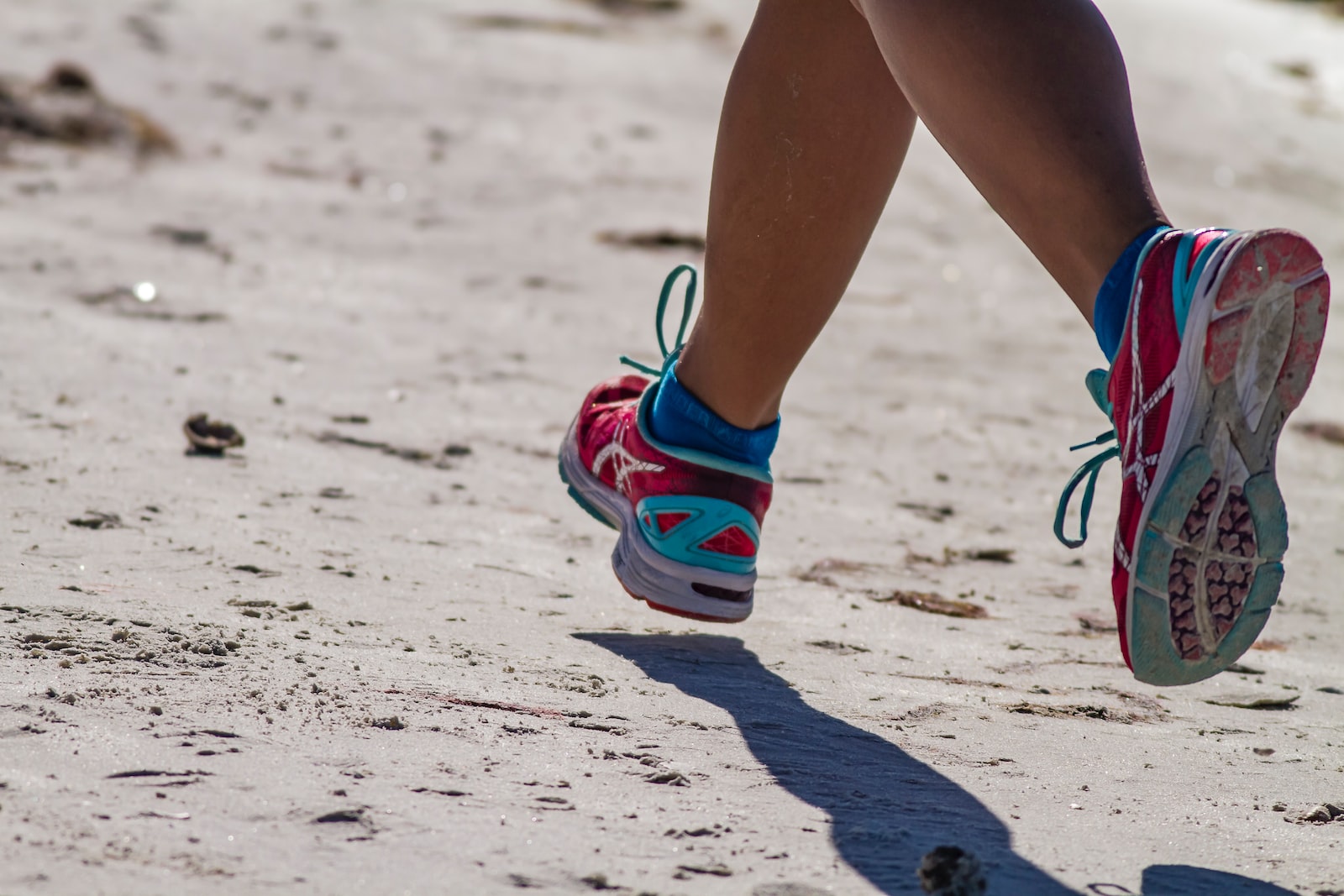
Athletic shoes come in a wide variety of styles that are not merely distinctive based on color. They may differ in their degree of cushioning, the height to which the heel is raised, and the degree to which the midsole is bent. The running shoe comes in a wide range due to the combination of these and many more unique design features. These could make a runner feel somewhat uncertain about the optimum type of athletic footwear. There is absolutely no such thing as the best sports shoes because they are all so different from one another, with the greatest for one athlete being quite different from what is the best for another runner. Finding what is better for your requirements is the difficulty. Diverse athletes have different running styles, unique foot shapes, and unique goals. To find the ideal running shoes for each individual runner, all of these factors and many more must be taken into account.
Running shoes without heels are one example of a rather uncommon as well as dramatic difference in models that has had multiple attempts to get to market with a few setbacks and few reaching market. The midsole of these sneakers has been taken out around the heel area. These floating or heelless running shoes are designed to ensure that the runner strikes the ground with the midfoot or forefoot rather than the rearfoot. The objective is to try and avoid the heavy impacts that are thought to be the main contributor to many running injuries that are related with rearfoot hitting. The front foot is said to be considerably better for the runner when striking the ground. That assumption is a problem because there is no proof to back it up. If anything, the research suggests that runners experience the same injury rate regardless of how they land, even if distinct overuse injuries can occur. This indicates that there is no inherent advantage to using a heel-less running shoe over a regular shoe that permits rearfoot striking. The decision of which design feature a runner should have will likely depend on a variety of factors. They have nothing to lose by utilizing these heelless or floating heel running shoes, for example, if they have a history of injuries due to rearfoot striking.
Although this example of heelless running shoes is a bit extreme, it can highlight the difficulty athletes experience in selecting the right running shoe for them. A good rule to follow is to continue jogging in your current shoes if they are comfortable. It is best to get advice from a specialized running shoe retailer if you are a novice runner or if you want to switch up your running shoes. In order to meet those needs, they will measure the runner’s foot shape, running form, and goals as well as what they would like to achieve. They will then match that information with the best running shoes.